


Android 17 Comes to RISC-V
BayLibre Brings Up SpacemiT K3 and Alibaba T-Head A210
Android 17 now runs on two RISC-V platforms: the SpacemiT K3 and the Alibaba T-Head A210. BayLibre led the engineering work on both, as part of RISE project RP024 and with funding from RISE.
This is the first Android 17 build on RVA23 hardware, the RISC-V application profile that Android targets. It is a significant step for Android on RISC-V: the latest Android release now runs on silicon from two vendors, on a shared, generic base rather than one-off ports. The work builds on our earlier Android port for the SpacemiT K1.
What we did
We started by setting up the target environment: AOSP with Android 17, running on the Android Mainline kernel (7.1). Working on the latest Android and kernel keeps the port close to where upstream development happens.
We then brought up Android on two boards, the SpacemiT K3 Pico-ITX and the Alibaba A210 EVB. Throughout the bring-up, we favoured generic RISC-V support in AOSP over board-specific workarounds. The aim is for the next RISC-V platform to reuse as much of this work as possible.
The release relies on an open boot chain built on U-Boot and OpenSBI. SpacemiT and Alibaba DAMO contributed platform expertise and hardware along the way.
What works today
On both boards, Android 17 now supports:
- Boot: Android 17 boots on the board.
- Wi-Fi: the board connects to a wireless network.
- Web browsing: the default AOSP browser opens and displays a basic web page.
- Graphics: an open source stack built on Mesa and the upstream Imagination kernel driver.
- Bluetooth: the board pairs with a smartphone.
Wherever we could, we relied on existing open source libraries rather than proprietary components. Mesa for graphics is the clearest example.
Open source, upstream-ready
We wrote the code to upstreamable quality, so it can flow into AOSP, the Linux kernel and the other projects it touches. The full release is open source and available now.
The RISE Android 17 v1.0 release includes binary images for both boards, pinned source manifests, checksums, flashing tools and rebuild instructions. Source history and authorship are preserved, so anyone can inspect, reproduce and extend the work.
This is a developer release, not a production-ready or certified Android build. Next, RISE plans to build and test it continuously on real hardware in the RISE Board Farm, starting with the A210 and adding the K3 shortly after.
Showcased at RISC-V Summit China
The work was presented during the keynote session of RISC-V Summit China in Shenzhen in October, as a significant achievement for the ecosystem. Visitors could also see live demonstrations at the Alibaba DAMO and SpacemiT booths.
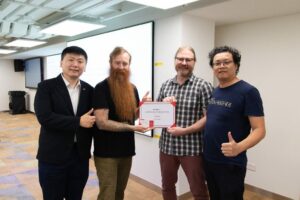
At RISC-V Hong Kong Day, BayLibre received a thank-you award recognising our work across the RISC-V ecosystem. We are grateful to RISE, SpacemiT and Alibaba DAMO for their trust and collaboration.
Learn more